
Understanding Energy Efficiency in Garage Doors
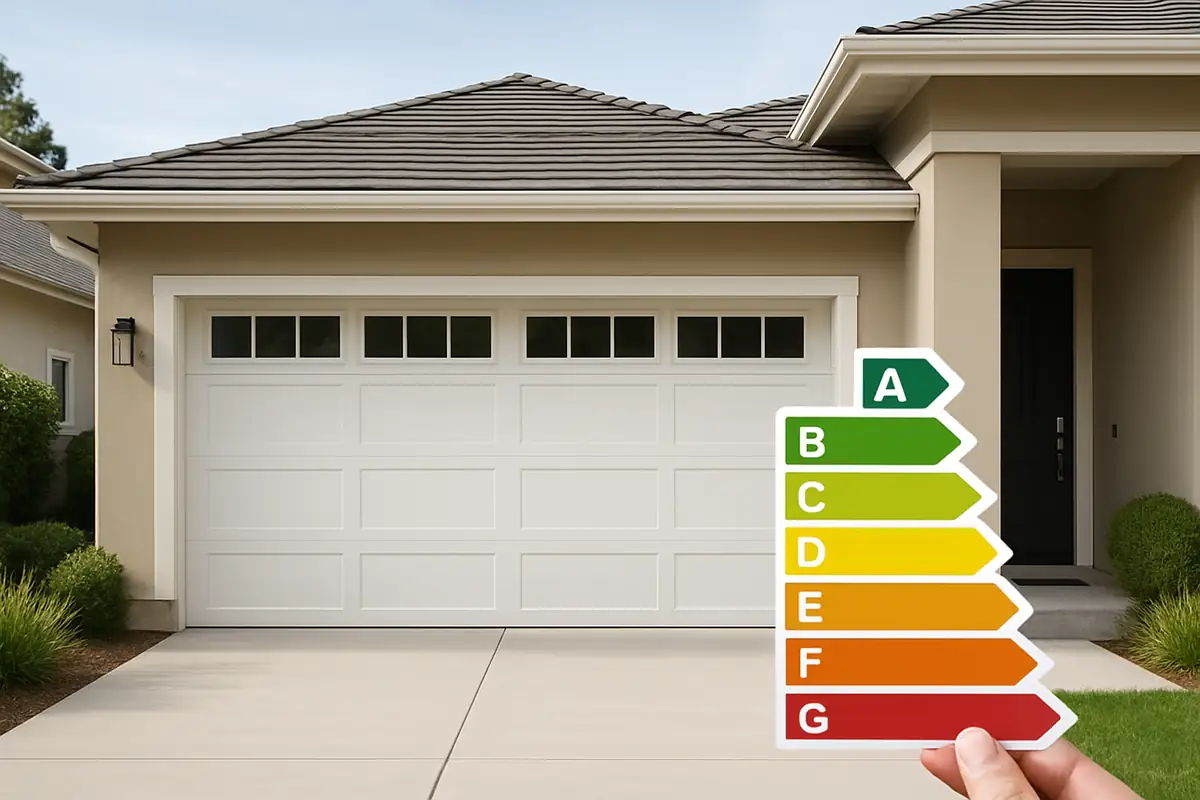
Energy efficiency has become a buzzword in the home improvement sector, and for good reason. It refers to the ability to use less energy to achieve the same level of comfort and functionality, thereby reducing energy costs and environmental impact. Your garage door, often overlooked, plays a crucial role in your home’s overall energy efficiency. This post explores how an efficient garage door can save you money and enhance your home's comfort, especially for residents in Hartford, CT.
Why Garage Doors Matter for Energy Efficiency
Many homeowners don’t realize that the garage door can account for a significant percentage of energy loss in a home. Factors such as material, insulation, and the condition of the door itself can all determine how well it performs in terms of energy efficiency. Here are some key reasons why garage doors matter:
- Thermal Insulation: A well-insulated garage door helps maintain a stable temperature in your garage and adjoining rooms.
- Air Leakage: Gaps and cracks around your door can allow outside air to infiltrate, causing your heating and cooling systems to work harder.
- Material Choice: Different materials offer varying levels of energy efficiency, which can affect your home’s overall performance.
The Best Materials for Energy-Efficient Garage Doors
Choosing the right material for your garage door can significantly impact its energy efficiency. Here are some materials to consider:
1. Steel
Steel doors are not only durable but can also be insulated to improve energy efficiency. With proper insulation, insulated steel doors can have an R-value of approximately 10, which helps in maintaining the temperature.
2. Fiberglass
Fiberglass doors have excellent insulating properties and can mimic the look of wood without the maintenance concerns. They are lightweight and energy-efficient, making them a good choice.
3. Wood
While wood doors are aesthetically pleasing, they may require more maintenance and can have less effective insulation unless they are specifically designed to be energy-efficient.
How Insulation Improves Energy Efficiency
Insulation is one of the key factors in the energy efficiency of your garage door. Here’s what you need to know:
What is R-Value?
The R-value measures the insulation's ability to resist heat flow. The higher the R-value, the better the insulation. An insulated garage door can provide an R-value ranging from 5 to 20, depending on the materials used.
Benefits of Insulation
- Regulates temperature, minimizing heating and cooling costs.
- Reduces noise transmission between your garage and living areas.
- Prevents condensation and moisture buildup, which can lead to mold and mildew.
Common Problems that Affect Garage Door Energy Efficiency
Even a high-quality garage door can become less energy-efficient over time due to wear and tear. Here are some common issues:
1. Poor Seals and Weatherstripping
Damaged seals can cause air leaks, making it harder to maintain temperature. Regularly check and replace worn weatherstripping to ensure a tight fit.
2. Cracks and Dents
Cracks in the door can also lead to air leakage. Keep an eye out for any visible damage and repair or replace the door as necessary.
3. Bottom Seal Damage
The bottom seal of your garage door is crucial for preventing drafts. If this seal is cracked or worn, it should be replaced promptly.
Practical Tips for Enhancing Garage Door Energy Efficiency
Improving your garage door's energy efficiency is easier than you might think. Here are some actionable tips:
- Upgrade to an Insulated Door: If your current garage door is not insulated, consider upgrading to a model with high R-value insulation.
- Seal Gaps: Regularly check for gaps and cracks, and use caulk or weatherstripping to seal them up.
- Install a Smart Garage Door Opener: A smart opener can help you manage your garage door usage effectively, reducing energy waste.
- Regular Maintenance: Schedule regular inspections and repairs with professionals to keep your garage door in optimal condition.
Statistics on Energy Loss Through Garage Doors
Understanding the implications of energy loss can motivate homeowners to take action. According to industry studies:
- Up to 30% of a home's energy can be lost through uninsulated garage doors.
- Homes with insulated garage doors can save approximately 10-20% on energy bills compared to those with traditional doors.
- Proper sealing can reduce drafts and save homeowners hundreds of dollars in energy costs annually.
Conclusion: Take Action for a More Energy-Efficient Home
Your garage door can significantly impact your home’s energy efficiency and overall comfort. By taking the necessary steps to improve its performance, you can save money on energy bills and enhance your living environment. If you’re located in Hartford, CT, and need expert assistance, look no further than Universal Garage Door Repair Hartford. Our team is ready to help you with garage door repairs, insulation improvements, and maintenance services tailored to your needs.
Contact us today to schedule a consultation and take the first step towards a more energy-efficient home!
Explore More Resources
Related Articles
Service Areas
We proudly serve Hartford, Clay Arsenal, Coltville, East Hartford, West Hartford and more areas.
Our Services
Professional garage door repair, spring repair, opener installation and more. View all services →