
Understanding Different Garage Door Materials
When it comes to selecting a garage door, the material you choose plays a crucial role in durability, maintenance, and aesthetics. For homeowners in Hartford, CT, understanding the various materials available can help you make an informed decision that enhances your home’s curb appeal while also providing functionality. In this guide, we will explore the most common garage door materials, detailing their benefits, drawbacks, and what you should consider before making a purchase.
1. Steel Garage Doors
Steel garage doors are one of the most popular choices among homeowners due to their strength, durability, and cost-effectiveness. They are available in a variety of styles and colors, allowing for customization to fit your home's aesthetic.
Benefits of Steel Garage Doors
- Durability: Steel garage doors can withstand the elements and are resistant to warping, cracking, and splitting.
- Security: Their robust construction offers excellent protection against intrusions.
- Low Maintenance: Steel doors typically require minimal upkeep, usually just an occasional wash.
Drawbacks of Steel Garage Doors
- Susceptible to Rust: If not properly coated or maintained, steel doors can rust, particularly in moist environments.
- Insulation: While some steel doors come with insulation, many are single-layered and can lead to energy loss.
2. Wood Garage Doors
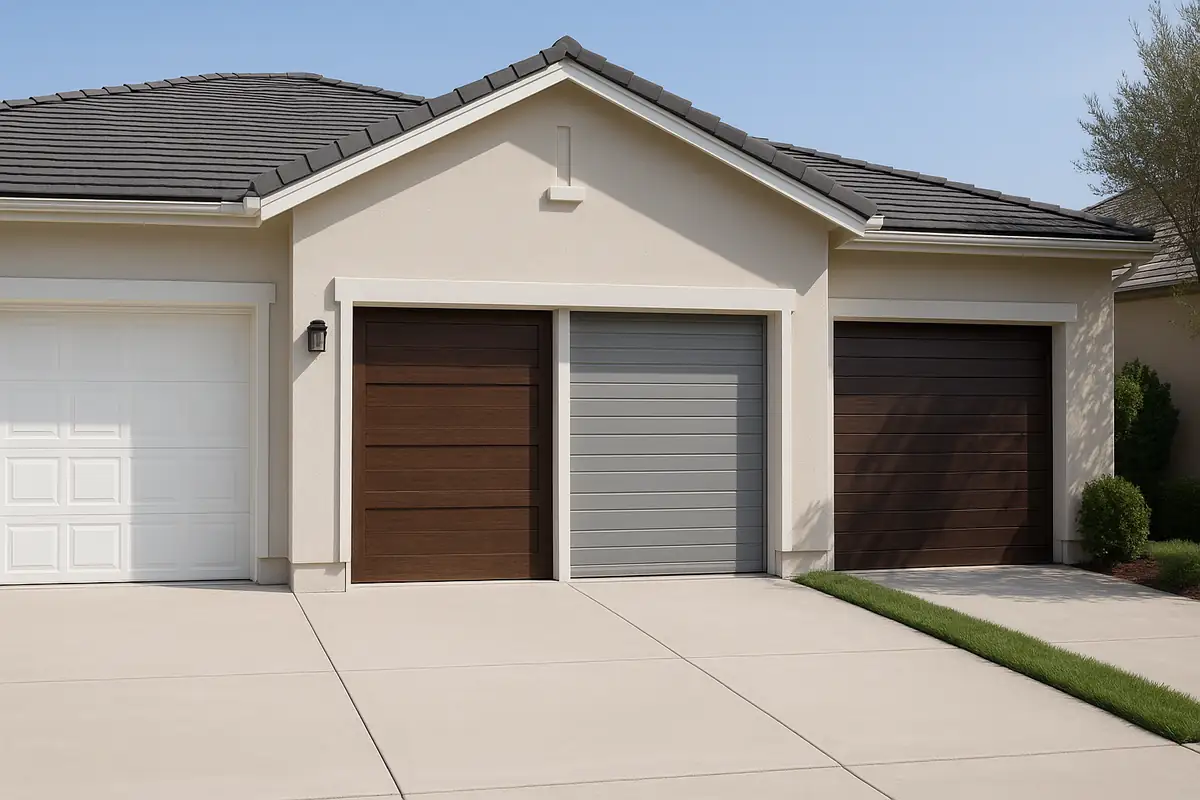
Wood garage doors offer a timeless and natural look that can enhance the beauty of any home. With numerous styles and finishes available, wood doors can be customized to suit various architectural designs.
Benefits of Wood Garage Doors
- Aesthetic Appeal: Wood adds warmth and elegance, making it an attractive option for many homeowners.
- Customization: Wood doors can be easily painted or stained to match your home’s exterior.
- Insulation: Natural wood has good insulation properties, which can help maintain home temperature.
Drawbacks of Wood Garage Doors
- High Maintenance: Wood requires regular painting or staining to prevent rot and decay.
- Cost: Typically more expensive than other materials, especially for high-quality wood.
3. Aluminum Garage Doors
Aluminum garage doors are lightweight and resistant to corrosion, making them an excellent choice for coastal areas or regions with high humidity, such as Hartford.
Benefits of Aluminum Garage Doors
- Rust-Resistant: Unlike steel, aluminum does not rust, ensuring longevity in various weather conditions.
- Lightweight: Easier to operate than heavier materials, making them ideal for manual doors.
- Cost-Effective: Generally less expensive than wood or steel doors.
Drawbacks of Aluminum Garage Doors
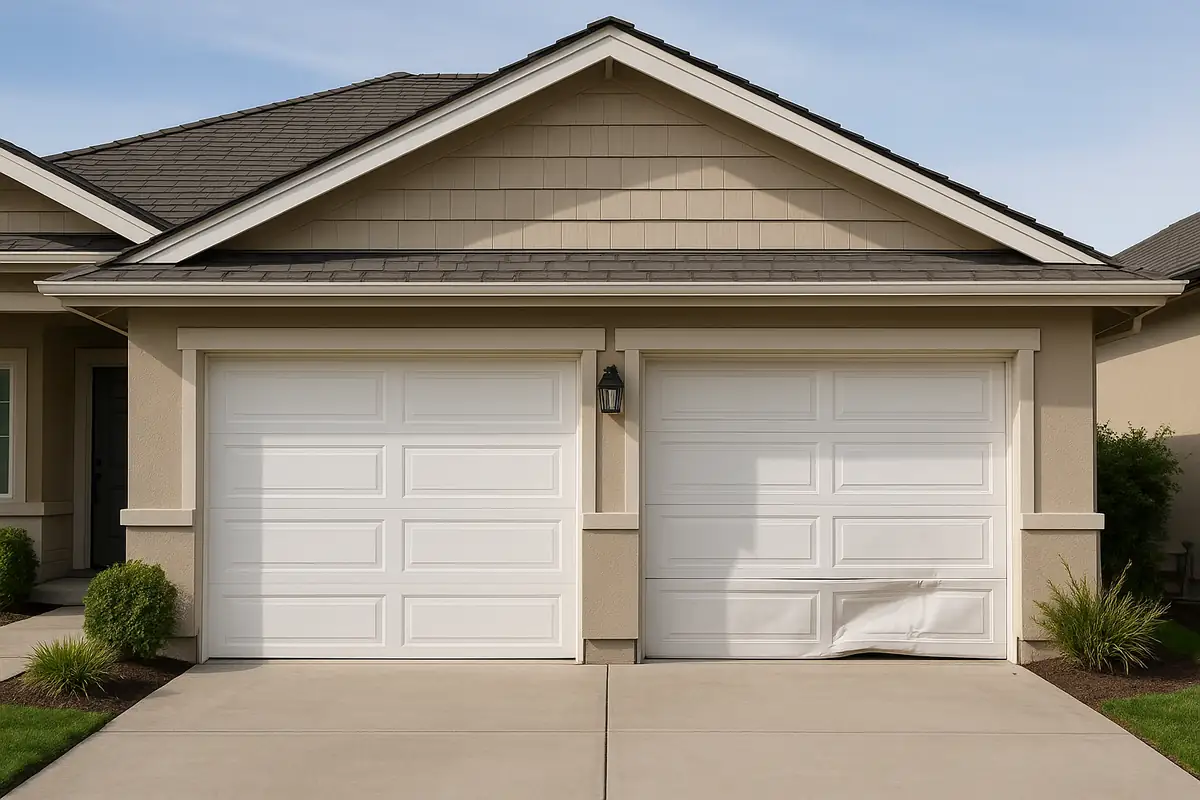
- Less Durable: Aluminum can be dented more easily than steel, which may affect long-term appearance.
- Insulation Issues: Like steel, most aluminum garage doors are not insulated unless specified.
4. Vinyl Garage Doors
Vinyl garage doors are a newer option that combines the best qualities of other materials, offering durability and low maintenance.
Benefits of Vinyl Garage Doors
- Impact Resistance: Vinyl is less likely to dent or split compared to steel or aluminum.
- Low Maintenance: Easy to clean and often does not require painting or staining.
- Energy Efficient: Vinyl doors can also be designed with insulation to help save on heating and cooling costs.
Drawbacks of Vinyl Garage Doors
- Limited Styles: Fewer design options compared to wood or steel.
- Color Fading: Might fade over time when exposed to direct sunlight.
5. Fiberglass Garage Doors
Fiberglass garage doors are another option that combines the benefits of various materials to offer a lightweight and durable solution.
Benefits of Fiberglass Garage Doors
- Insulation: Fiberglass can provide excellent insulation properties while being lightweight.
- Resistant to Dents: Fiberglass is less prone to dents compared to metal doors.
- Aesthetics: Can mimic the appearance of wood without the maintenance needs.
Drawbacks of Fiberglass Garage Doors
- Cost: Can be more expensive than other materials.
- Fading and Discoloration: Can become discolored over time, particularly in direct sunlight.
Making the Right Choice: Considerations for Hartford Homeowners
When choosing a garage door material, consider the following:
- Climate: Hartford experiences a range of weather conditions from hot summers to snowy winters, so choose a material that can withstand local elements.
- Maintenance: How much time and effort are you willing to invest in maintaining your garage door?
- Budget: Determine how much you are willing to spend, not just on the door itself but also on installation and maintenance.
- Aesthetics: Make sure the door complements your home’s overall look and feel.
Conclusion
In conclusion, understanding the different garage door materials is essential for making an informed decision that fits your needs and lifestyle. Whether you opt for the durability of steel, the elegance of wood, or the low-maintenance benefits of vinyl, each material has its unique advantages and disadvantages. If you're ready to upgrade or repair your garage door in Hartford, CT, trust Universal Garage Door Repair Hartford for expert advice and services tailored to your needs. Contact us today for a consultation!
Explore More Resources
Related Articles
Service Areas
We proudly serve Hartford, Clay Arsenal, Coltville, East Hartford, West Hartford and more areas.
Our Services
Professional garage door repair, spring repair, opener installation and more. View all services →

Top 5 Garage Door Safety Tips Every Homeowner Should Know - Universal Garage Door Repair Hartford
Smart Garage Door Features You Need to Know | Universal Garage Door Repair Hartford