
Understanding Garage Door Noise
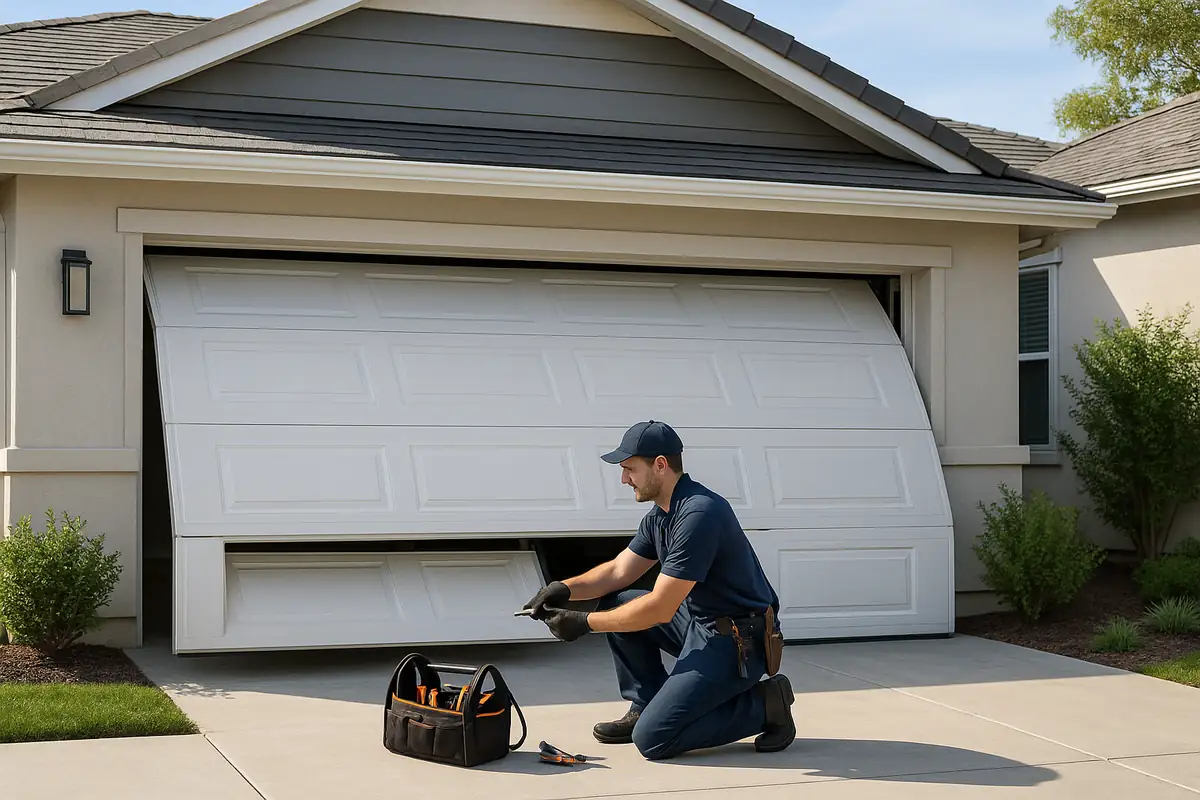
Garage doors are a vital part of your home, yet they can produce various noises that may be bothersome. From creaks and squeaks to loud bangs, these sounds can disrupt your peace. Understanding the causes of garage door noise is the first step in addressing the problem.
The Common Causes of Garage Door Noise
Before diving into solutions, it’s important to identify the potential causes of noise from your garage door:
- Worn Rollers: Old or damaged rollers can cause a grinding sound.
- Squeaky Hinges: Rusty or unlubricated hinges may produce annoying squeaks.
- Loose Hardware: Nuts and bolts that are not tightened properly can lead to rattling.
- Spring Issues: Worn or faulty springs may cause loud bangs when the door opens or closes.
- Track Misalignment: If the tracks are not aligned correctly, the door may produce excessive noise as it moves.
Practical Tips to Reduce Garage Door Noise
Now that we understand the causes, let’s explore effective strategies to minimize noise:
1. Regular Maintenance
Routine maintenance is vital for ensuring your garage door operates smoothly and quietly. Here’s what you can do:
- Inspect the garage door system at least once a month.
- Look for any signs of wear and tear, especially on rollers, hinges, and springs.
- Lubricate moving parts regularly with a silicone-based lubricant to prevent friction.
2. Upgrade Your Rollers
If your garage door uses metal rollers, consider upgrading to nylon rollers. Here’s why:
- Quieter Operation: Nylon rollers operate much more quietly than metal ones.
- Durability: They are less prone to wear, reducing the need for frequent replacements.
- Smooth Movement: They allow for smoother movement of the garage door.
3. Tighten Loose Hardware
Tightening loose screws, nuts, and bolts can significantly reduce rattling noises. Here’s a simple checklist:
- Use a socket wrench to tighten any loose hardware.
- Check the brackets and fasteners for any signs of damage.
- Replace any missing or broken screws to ensure everything is secure.
4. Insulate Your Garage Door
Another effective way to reduce noise is to insulate your garage door. Benefits include:
- Decreased noise transmission into your home.
- Improved energy efficiency, keeping your garage warmer in winter and cooler in summer.
- Enhanced longevity of the door due to reduced temperature fluctuations.
5. Consider Adding a Soundproofing Layer
If the noise is still an issue, you may want to add soundproofing materials. Options include:
- Soundproof Panels: Attach these to your garage walls to absorb sound.
- Acoustic Blankets: Hang blankets to dampen noise levels.
- Weather Stripping: This helps seal gaps that can allow sound to escape.
Statistics on Garage Door Noise
According to industry studies, over 60% of homeowners report that a noisy garage door affects their quality of life. By implementing the strategies mentioned in this guide, you can join the 40% who have successfully minimized noise through proactive measures.
Conclusion: Take Control of Your Garage Door Noise
Reducing garage door noise not only enhances your living environment but also prolongs the life of your garage door system. Implementing regular maintenance, upgrading components, and considering insulation can make a significant difference.
If you’re in Hartford, CT, and need assistance with your garage door, don’t hesitate to contact Universal Garage Door Repair Hartford. Our expert team is ready to help you achieve a quieter and more efficient garage door system. Call us today for a consultation!
Explore More Resources
Related Articles
Service Areas
We proudly serve Hartford, Clay Arsenal, Coltville, East Hartford, West Hartford and more areas.
Our Services
Professional garage door repair, spring repair, opener installation and more. View all services →

Top 5 Garage Door Safety Tips Every Homeowner Should Know
The Benefits of Insulated Garage Doors - Universal Garage Door Repair Hartford